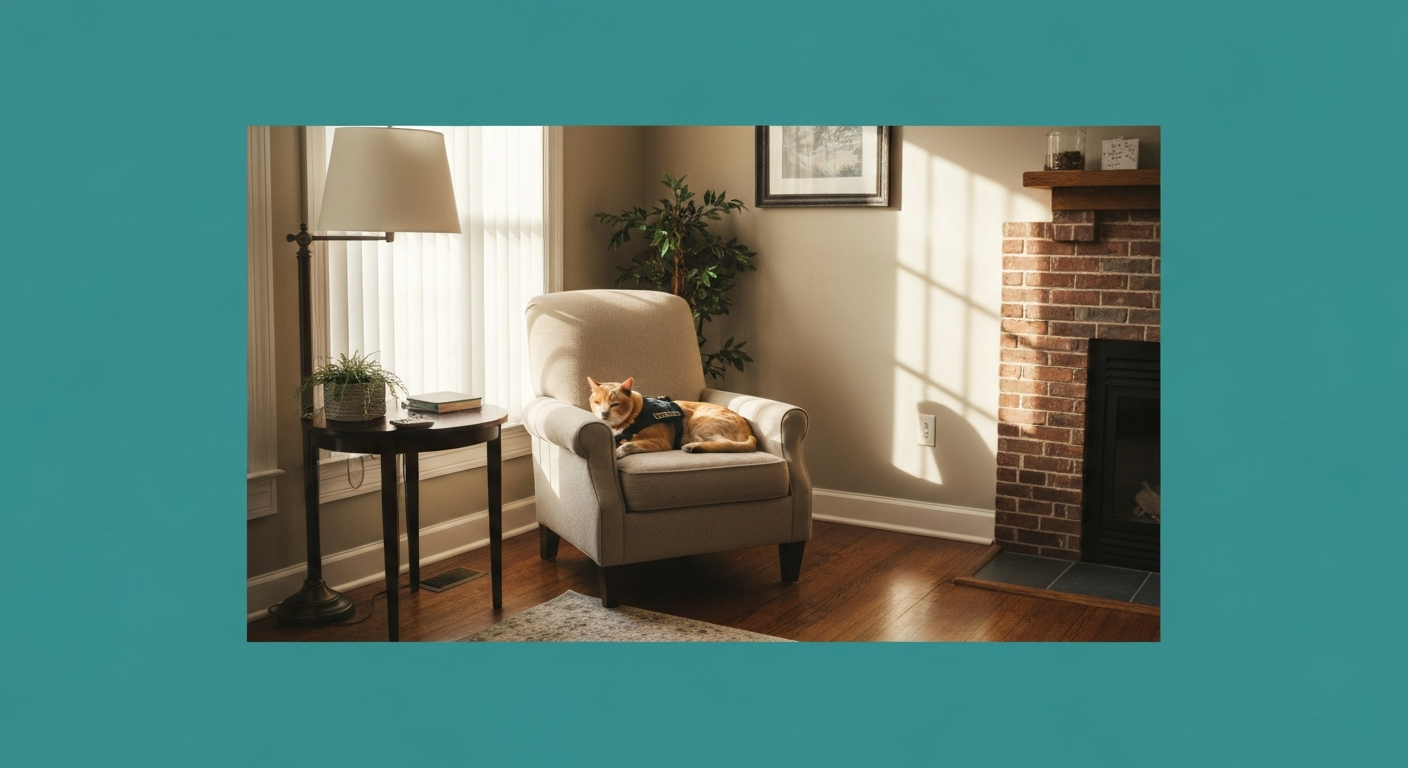
Best Emotional Support Animals for Alabama Apartments — A Clinician-Vetted Lineup
Finding the right emotional support animal for your Alabama apartment is a decision that sits at the intersection of therapeutic need, practical living space, and federal fair-housing law. Under HUD's landmark guidance document, FHEO-2020-01 — Assessing a Person's Request to Have an Animal as a Reasonable Accommodation Under the Fair Housing Act — housing providers in Alabama are required to engage in an interactive process when a tenant presents a valid ESA letter issued by a licensed mental health professional (LMHP). That letter, and only that letter, is what gives your companion animal legal standing in a no-pets building. There is no national ESA registry, no ESA ID card, and no database that substitutes for a clinician's written recommendation.
What there is, however, is an enormous amount of choice. Emotional support animals are not limited to dogs and cats; HUD's guidance explicitly acknowledges that a broad range of species may qualify as ESAs when a licensed clinician determines the animal is therapeutically appropriate for a specific individual's disability-related needs. That nuance matters enormously in apartment living, where square footage, noise ordinances, neighbor sensitivities, and building rules all shape which animal is truly the best fit for your daily life.
This clinician-vetted lineup is designed to help Alabama renters think carefully before committing — not just about which animal they love, but about which companion will genuinely support their mental health while integrating smoothly into apartment life. Every entry below includes practical considerations drawn from current FHA compliance standards and the realities of renting in Alabama's cities and towns, from Huntsville and Birmingham to Mobile and Montgomery.
Important Disclaimer: The content on this page is strictly informational and does not constitute medical, mental-health, or legal advice. Whether an ESA is therapeutically appropriate for you is a determination that must be made by an Alabama-licensed mental health professional following an individualized clinical evaluation. For questions about landlord disputes or FHA enforcement, please consult an Alabama-licensed attorney or contact your local legal aid office.
What Makes an Animal "Apartment-Friendly" Under Alabama's ESA Framework?
Before diving into the list, it is worth clarifying what "apartment-friendly" means in the ESA context. From a legal standpoint, HUD's FHEO-2020-01 guidance allows a housing provider to deny an ESA accommodation only if the specific animal poses a direct threat to health and safety or would cause substantial physical damage to the property — and that assessment must be made about the individual animal, not the species as a whole. A landlord in Birmingham cannot categorically ban all large dogs as ESAs without conducting an individualized assessment.
From a practical and therapeutic standpoint, however, not every animal is equally suited to confined living spaces. A licensed clinician evaluating your request will consider not just your diagnostic needs but also the welfare of the animal itself and the realistic demands of apartment care. Animals that are stressed, under-stimulated, or housed inappropriately are unlikely to provide consistent emotional support — and may create the very disruptions that lead to landlord complaints. The animals on this list were selected because they tend to thrive in smaller spaces, are manageable for most renters, and have a well-documented record of providing meaningful emotional support across a range of mental health conditions.
For a deeper look at your rights in Alabama rental housing, visit our guide on Alabama ESA housing letters and FHA protections.
The Clinician-Vetted Lineup: 8 Best ESAs for Alabama Apartments
1. Dogs — The Gold Standard of Emotional Support
Dogs remain the most clinically recognized emotional support animals, and for good reason. The human-canine bond is among the most thoroughly studied in psychotherapy literature. Research consistently shows that dog ownership and interaction is associated with reduced cortisol levels, lower blood pressure, and meaningful mitigation of symptoms related to depression, anxiety, PTSD, and social isolation. For Alabama renters managing these and similar conditions, a licensed clinician may determine that a dog is the most therapeutically appropriate ESA choice available.
In an apartment context, the breed and size of the dog matter considerably — not for legal purposes, but for practical welfare and neighbor-relations reasons. Smaller, lower-energy breeds such as Cavalier King Charles Spaniels, French Bulldogs, and Shih Tzus tend to adapt well to limited square footage, while medium-energy breeds like Labrador Retrievers can thrive in apartments provided they receive adequate daily exercise. Importantly, Alabama landlords cannot impose breed or weight restrictions on an ESA dog simply because of building pet policies; HUD's guidance is clear that standard pet rules do not automatically apply to assistance animals.
One consideration unique to Alabama's climate: the state's long, humid summers mean that brachycephalic (flat-faced) breeds such as Pugs and Bulldogs may require air-conditioning accommodations or careful monitoring during outdoor exercise. This is a welfare point worth discussing with both your veterinarian and your clinician before committing to a specific dog.
Practical Takeaway: Dogs offer the broadest therapeutic versatility of any ESA species, but require the most daily commitment. If a licensed clinician determines a dog is appropriate for your needs, research breed temperament carefully. For breed-specific guidance tailored to Alabama apartment renters, see our detailed resource on ESA dogs and the best breeds for Alabama apartments.
2. Cats — Quiet Companions With Profound Therapeutic Reach
Cats are perhaps the single most apartment-compatible ESA species in practical terms, and their therapeutic value is substantive rather than merely convenient. Studies published in peer-reviewed journals have linked cat ownership to reduced rates of cardiovascular events, lower anxiety scores, and improved mood regulation — particularly in individuals who live alone. The rhythmic sound of a cat's purr, produced at frequencies between 25 and 150 Hz, has even been associated with reduced physiological stress responses. For Alabama renters dealing with generalized anxiety disorder, depression, or loneliness, many licensed clinicians find cats to be a clinically sound ESA recommendation.
Cats require significantly less direct interaction than dogs, making them well-suited for individuals whose mental health conditions sometimes limit their energy for high-engagement care routines. They are self-grooming, litter-trained, and relatively quiet — qualities that minimize neighbor complaints in shared-wall apartment buildings common throughout Alabama's urban centers. Breeds such as Ragdolls, Scottish Folds, and American Shorthairs are particularly known for their calm, adaptable temperaments, though individual personality always matters more than breed alone.
Alabama landlords with no-pet policies are required under the FHA to consider a cat ESA accommodation request on its individual merits, provided the tenant presents a valid letter from an Alabama-licensed LMHP. A landlord may not charge a pet deposit for an approved ESA, though the tenant remains liable for any actual damage the animal causes to the unit.
Practical Takeaway: Cats are one of the lowest-friction ESA choices for Alabama apartment renters, combining strong therapeutic evidence with minimal space and noise demands. Learn more about selecting the right feline companion in our guide to ESA cats in Alabama.
3. Rabbits — Gentle, Hypoallergenic-Friendly, and Apartment-Ideal
Rabbits occupy a uniquely practical niche in the ESA landscape that far too many Alabama renters overlook. These social, intelligent animals form genuine bonds with their caregivers and have been noted in clinical settings for their calming effect on individuals managing anxiety, ADHD, and mood disorders. The gentle, unhurried quality of rabbit behavior — their curious exploration, their quiet presence, the tactile comfort of soft fur — can provide meaningful grounding for individuals prone to dissociation or hyperarousal.
From an apartment-living standpoint, rabbits are nearly ideal. They produce minimal noise (a critical factor in multi-unit Alabama buildings), can be litter-trained with reasonable consistency, and require only a modest amount of floor space for exercise when allowed to roam freely for several hours each day. They are also less likely than dogs or cats to trigger neighbor complaints about noise or allergies, and their dander profile is different enough from cats and dogs that some individuals who cannot tolerate those species find rabbits manageable.
Housing providers sometimes push back on non-traditional ESA species like rabbits, but HUD's FHEO-2020-01 guidance does not restrict ESA status to dogs and cats. If your Alabama-licensed clinician determines that a rabbit is therapeutically appropriate for your specific disability-related needs, that determination carries legal weight under the FHA's reasonable accommodation framework. Document your clinician's rationale carefully and keep a copy of your ESA letter accessible.
Practical Takeaway: Rabbits are an underrated, highly apartment-compatible ESA choice with genuine therapeutic value. For a thorough overview of rabbit care, housing rights, and clinician considerations, read our Alabama-specific guide on rabbits as emotional support animals in Alabama.
4. Guinea Pigs — Social, Low-Maintenance, and Therapeutically Underrated
Guinea pigs are among the most overlooked ESA candidates in Alabama, yet they possess qualities that make them particularly well-suited for renters with smaller apartments or more limited caregiving bandwidth. These small rodents are highly social — thriving best in bonded pairs — and their gentle vocalizations, known as "wheeking," have a distinctly cheerful quality that many individuals report as mood-lifting in clinical anecdote and therapeutic practice. Their need for interaction is real but manageable, making them a good fit for individuals who want a responsive companion without the demands of a dog.
Therapeutically, guinea pigs have been used in animal-assisted therapy settings for populations including children with autism, adults with depression, and elderly individuals experiencing cognitive decline. Their small size, predictable temperament, and relatively low startle response make them safe and calming to handle for individuals who may be sensitive to sudden movements or loud sounds. For Alabama renters whose living situations are modest in size — studio apartments or efficiency units, for instance — a pair of guinea pigs can provide meaningful daily companionship within a very small footprint.
As with all non-traditional ESA species, the legal pathway runs through your Alabama-licensed LMHP. A clinician will assess whether a guinea pig is therapeutically appropriate for your individual situation, and that written recommendation is the instrument you present to your landlord under HUD's FHA reasonable accommodation process. There is no registry to join, no certificate to purchase, and no shortcut that substitutes for a legitimate clinical evaluation.
Practical Takeaway: Guinea pigs offer genuine companionship and therapeutic value in an extremely apartment-friendly package. Consider keeping a bonded pair for optimal animal welfare, and confirm species suitability with your clinician.
5. Birds — Cognitive Engagement and Companionship in a Compact Form
Certain bird species — particularly parakeets (budgerigars), cockatiels, and lovebirds — have a long history as companion animals precisely because they engage with their human caregivers in uniquely responsive ways. Unlike many small animals, birds can learn to vocalize in response to their owner's voice, establish eye contact, and develop recognizable individual personalities. For individuals managing depression, social anxiety, or cognitive conditions that benefit from routine and engagement, a bird can provide a structured daily interaction rhythm that supports mental well-being.
In Alabama apartment settings, smaller bird species are relatively low-impact from a space perspective. They require a well-sized cage, daily feeding, and regular social interaction, but they do not need walks, litter boxes, or significant floor space. The noise consideration varies considerably by species: parakeets are generally quiet to moderate in volume, while some larger parrots (macaws, cockatoos) produce sounds that would very likely generate neighbor complaints in a shared-wall building and are therefore less suitable as apartment ESAs regardless of their therapeutic potential.
Housing providers may be surprised by a bird ESA request, but HUD's guidance is unambiguous: the obligation to consider a reasonable accommodation applies to the full range of assistance animals, and the species question is resolved by clinician determination and an individualized landlord assessment, not by categorical policy. Your Alabama-licensed LMHP's letter should clearly articulate the therapeutic relationship between your disability-related need and the specific animal you are requesting.
Practical Takeaway: Smaller bird species such as parakeets and cockatiels can be excellent ESA choices for Alabama apartment renters seeking cognitive engagement and companionship. Choose a species whose vocal range is compatible with your building's noise environment.
6. Fish — The Underestimated Calm-Inducing Companion
Fish may seem an unconventional entry on a therapeutic animals list, but the clinical literature supports their inclusion. Multiple peer-reviewed studies, including research conducted in collaboration with Purdue University and the National Marine Aquarium, have documented that observing fish in aquariums reduces physiological stress markers, lowers heart rate, and promotes a calm, focused mental state. For individuals managing hypervigilance associated with PTSD, panic disorder, or chronic stress, the gentle visual rhythm of fish movement can serve as a consistent, low-demand de-escalation tool within the home environment.
Fish are also unambiguously apartment-compatible. They produce no noise that would affect neighbors, require no outdoor exercise, and — once an appropriate tank is established — have relatively predictable care routines that support the kind of structure many mental health treatment plans recommend. A well-maintained aquarium also adds an aesthetically calming element to a living space that reinforces a therapeutic home environment. Freshwater species such as Betta fish, tetras, and goldfish are particularly accessible for first-time fish owners.
An important note: because fish cannot be held or taken into public spaces, they do not provide the interactive bonding or social facilitation that other ESA species offer. A licensed clinician will consider whether fish represent a genuinely appropriate therapeutic match for your specific disability-related needs, as opposed to a convenient workaround. If the clinician's assessment supports a fish-based ESA, the same FHA reasonable accommodation process applies, and your landlord must consider the request on its merits.
Practical Takeaway: Fish ESAs are a legitimate option for individuals whose therapeutic needs center on calm, passive visual engagement and stress reduction. Discuss this option honestly with your Alabama-licensed clinician to determine whether it aligns with your treatment goals.
7. Miniature Horses — Rare but Legally Recognized
This entry comes with significant practical caveats, but its inclusion is legally and clinically accurate. HUD's FHEO-2020-01 guidance specifically references miniature horses as an example of a species that may, in some circumstances, qualify as an assistance animal under the FHA. Miniature horses are also explicitly recognized as an alternative to dogs under the ADA's service animal framework for disability assistance. For certain individuals — particularly those with horse-centered therapeutic histories or specific phobias related to dogs and cats — a miniature horse may be the most appropriate ESA recommendation a clinician can make.
In practical apartment terms, however, a miniature horse is viable only in very specific circumstances: a ground-floor unit with direct yard access, a property with space for the animal to stand and move, and a landlord willing to engage with the significant infrastructure considerations involved. Most Alabama apartments — particularly urban high-rise or multi-story buildings — simply cannot accommodate a miniature horse safely or humanely, and a clinician would need to weigh animal welfare heavily in any such recommendation. This is not a species to pursue as a strategic workaround; it requires genuine therapeutic rationale and significant logistical planning.
If you believe a miniature horse may be the right ESA for your situation, begin the conversation with your Alabama-licensed mental health professional well before approaching your landlord. The interactive accommodation process under the FHA may be lengthy and may ultimately be denied on the grounds of fundamental alteration or direct threat — outcomes that are more likely with this species than any other on this list.
Practical Takeaway: Miniature horses are legally recognized under FHA guidance but are rarely practical in Alabama apartment settings. Pursue this option only with genuine therapeutic rationale and realistic property conditions — and always with an Alabama-licensed clinician's individualized assessment.
8. Hamsters and Small Rodents — Accessible Companionship for Compact Living
Hamsters, gerbils, and similar small rodents round out this list as some of the most accessible ESA options available to Alabama renters — particularly those in studio apartments, shared living situations, or housing where any visible animal presence might create social friction. These animals are inexpensive to house, require minimal space, produce very little noise during daylight hours (though hamsters are notably nocturnal), and can provide genuine tactile comfort and caretaking routine for individuals whose mental health benefits from low-stakes daily responsibility.
The therapeutic mechanism here is often less about bonding and more about behavioral activation — a concept well-established in cognitive-behavioral therapy for depression. Caring for a living creature, establishing feeding routines, cleaning the enclosure, and observing the animal's daily patterns can provide the kind of purposeful structure that helps counter the withdrawal and inactivity associated with depressive episodes. For individuals in early recovery, transitional housing, or high-stress academic environments common in Alabama's university communities, a hamster or gerbil may represent a manageable first step into ESA ownership.
As with all species on this list, the path to legitimate ESA status runs through an Alabama-licensed mental health professional who conducts an individualized evaluation. A clinician will consider whether the animal's care demands are realistic for your current functioning level, whether the therapeutic benefit is genuine, and whether the species is appropriate for your specific disability-related needs. The letter that clinician produces — not a registry certificate, not an online badge, not an ID card — is the document that carries legal weight under the FHA.
Practical Takeaway: Small rodents like hamsters and gerbils offer accessible, low-impact ESA companionship well-suited to Alabama's smaller apartment units. Discuss their specific therapeutic fit with your clinician, and consider the animal's nocturnal activity schedule if light sleep is a concern.
How to Pursue a Legitimate Alabama ESA Letter for Your Apartment
Regardless of which species you believe may be right for you, the process is the same: begin with a thorough evaluation by a licensed mental health professional who is licensed in Alabama. Under HUD's FHEO-2020-01 framework, a valid ESA letter must come from an LMHP — typically a licensed clinical social worker (LCSW), licensed professional counselor (LPC), licensed marriage and family therapist (LMFT), psychologist, or psychiatrist — who has assessed your specific disability-related need and determined that an emotional support animal is a therapeutically appropriate component of your care.
Be cautious of online services promising instant approval, guaranteed letters within hours, or ESA "registration" in a national database. HUD has explicitly confirmed that ESA registries are not legally meaningful, and letters produced without a genuine clinical evaluation may be dismissed by Alabama landlords as fraudulent — leaving you without the protections you sought and potentially damaging your credibility in any subsequent FHA complaint. The investment in a legitimate, clinician-led evaluation is the foundation of a housing accommodation that will hold up to scrutiny.
Once you have your letter, present it to your housing provider with a written reasonable accommodation request. Under the FHA, your landlord must respond in a reasonable timeframe and may not deny the request without an individualized assessment showing that the specific animal poses a direct threat or would cause substantial physical damage. They may not charge you a pet deposit for an approved ESA, though you remain responsible for any actual property damage. For a full walkthrough of the Alabama FHA process, visit our comprehensive resource on Alabama ESA housing letters and FHA protections.
If you want to understand the basics of how ESA animals differ from service animals in terms of public access and training requirements, our guide on ESA training basics in Alabama provides a clear, compliance-focused overview.
A Final Word on Matching Animal to Need
The best emotional support animal for your Alabama apartment is ultimately the one that a qualified clinician determines is therapeutically appropriate for your specific situation — and that you can care for responsibly within your living space. The animals on this list represent a range of species that have documented therapeutic utility and practical apartment compatibility, but none of them is universally right. Your mental health needs, your living situation, your daily energy levels, and the welfare of the animal itself all matter in this decision.
Work with your Alabama-licensed mental health professional to make this decision thoughtfully. Ask honest questions about whether your lifestyle can genuinely support the animal you are considering. And trust the process: a legitimate clinical evaluation, followed by a properly documented reasonable accommodation request, gives you the strongest possible foundation for a meaningful therapeutic relationship with your ESA — and for the housing protections the Fair Housing Act was designed to provide.
Disclaimer: This article is provided for informational purposes only and does not constitute medical, mental-health, or legal advice. The determination of whether an emotional support animal is therapeutically appropriate for your individual needs must be made by a licensed mental health professional licensed in Alabama following an individualized clinical evaluation. For questions about landlord disputes, FHA reasonable accommodation denials, or enforcement proceedings, consult an Alabama-licensed attorney or contact your local legal aid office.
Ready to start your Alabama ESA letter?
Licensed Alabama clinician review. Compliant with state law.
Get My Alabama ESA Letter